
Once I decide to start a project, there has to be a certain level of demolition or destructive progress to push me across the threshold of “no turning back now.” Once I cross that line, I become a relentless, sleepless lunatic until whatever project I started—big or small—is functional again.
But functional isn’t where I should be drawing the finish line. At the beginning of a project, I cross a point of no return that creates unwavering commitment. Unfortunately, I cross a second line once the project becomes functional. On the other side of that line, the urgency disappears—and so does my commitment to finishing every last detail.
My main bathroom has been a victim of this completion crisis for the past three years. Before I touched it, the full bathroom on the main level was probably the nicest room in my house. It was the only room that had previously been remodeled, so prioritizing it made little sense. But it also had a shower the size of a camper shower and the most poorly placed toilet I’ve ever had the honor of using. Despite its appearance, remodeling it would noticeably improve our quality of life.
After a few months of deliberation, I decided on a whim one Saturday to completely gut the bathroom. I created enough destruction that moving forward with a new bathroom became my only option.
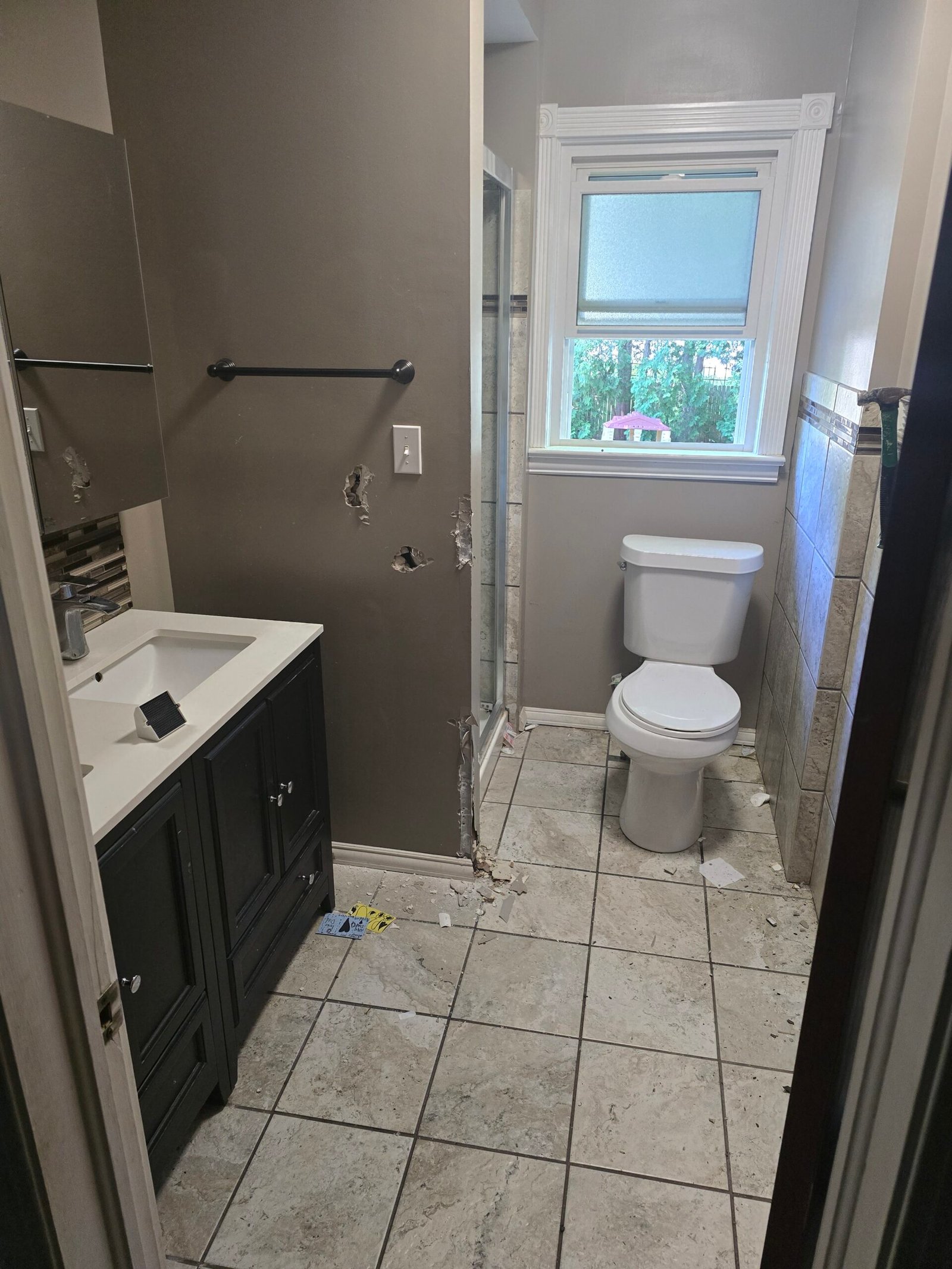
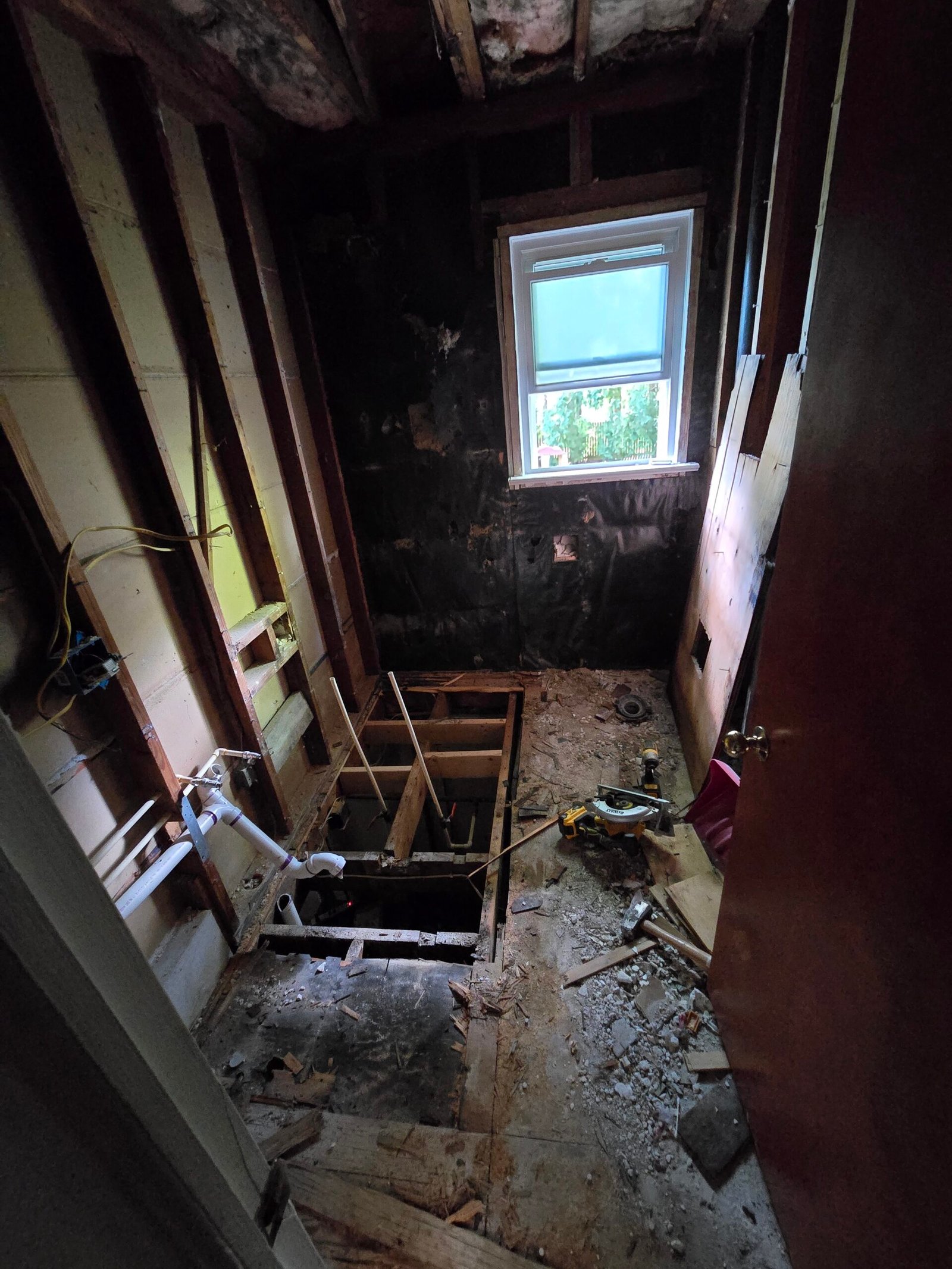
For the next three months, I worked tirelessly while learning and executing framing, plumbing, tiling, and drywalling. Eventually, I reached the point where I could install the pieces that would make the bathroom usable again. I finished the grout and some basic painting on a Saturday. On Sunday, I installed the vanity, placed the toilet, and hung the sliding glass doors on the new shower. When I opened the water lines and everything worked, we had a small party in the bathroom to celebrate its first use!
The race to functional was finally over. But what did that mean for the actual completion of my bathroom? The trim, drywall repairs, paint blemishes, and assorted touch-ups became things I promised to address “next weekend.” I could finally shower in my new shower, so why did I need to worry about those small details immediately? The mental and physical exhaustion I felt after reaching the 90% mark was undeniable. I told myself I needed time to recover and enjoy what I had worked so hard to build.
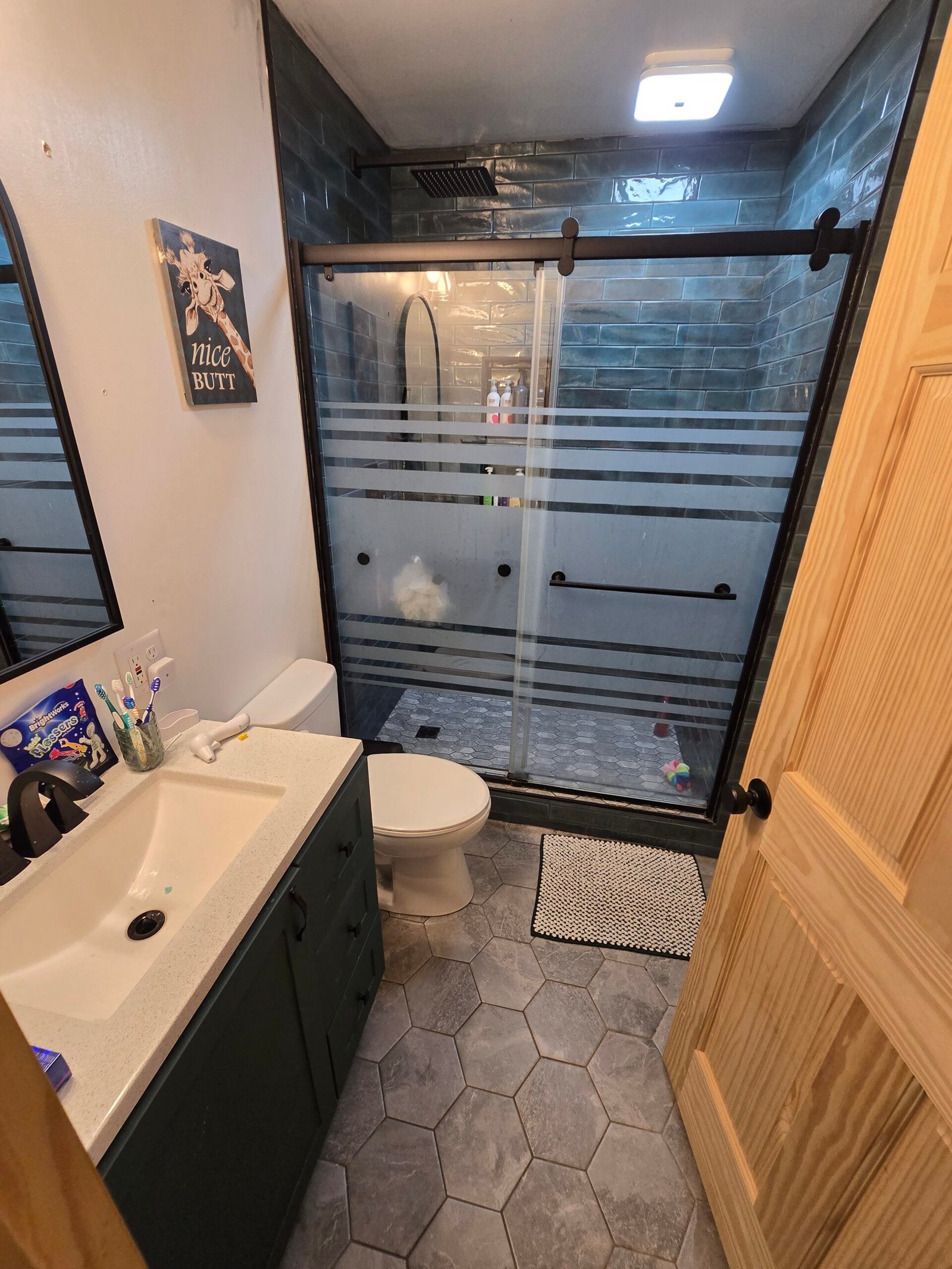
I have done plenty of enjoying by now—three years of it, to be exact. Meanwhile, those “next weekend” jobs have collected dust in my priority bank. The bathroom works, but the unfinished details remain a mental weight alongside a growing list of incomplete projects throughout the house. So how do I stop negotiating against the finish I originally wanted? How do I push through the final stretch and produce something I can call complete—not merely functional?
One change I can make is acknowledging when I’m nearing the end and creating an actual plan for the final 10% before the urgency disappears. For me, being prepared for trim, patching, and paint repairs is part of that battle. I don’t have the necessary trim boards and caulk sitting in my garage, ready for me to begin. Every missing material creates another step between me and the work. Buying those supplies earlier would remove the trip to the store and make the final jobs easier to start.
But missing materials aren’t the entire reason my bathroom has remained unfinished for three years. They are friction, but they have also become a convenient excuse. My larger mistake was treating functionality as the pinnacle of the project. I worked so relentlessly toward making the bathroom usable that I never included the tedious finishing work in my original definition of done. The obvious solution is to carry that same relentlessness through the final details. But when I’ve already worked myself to the edge of sanity while balancing a job, a family, and everything else demanding my time, any shortcut that ends life inside a construction zone becomes tempting.
Going forward, I need to define “finished” before demolition begins. That definition must include the trim, caulk, paint corrections, cleanup, and every other small task that becomes easy to dismiss once the room works again. Those jobs aren’t optional extras. They are part of the project.
My bathroom is functional, but it isn’t finished. After three years of calling it close enough, it is time to stop treating the 90% mark like the finish line. Functional should be a milestone—not the end.